









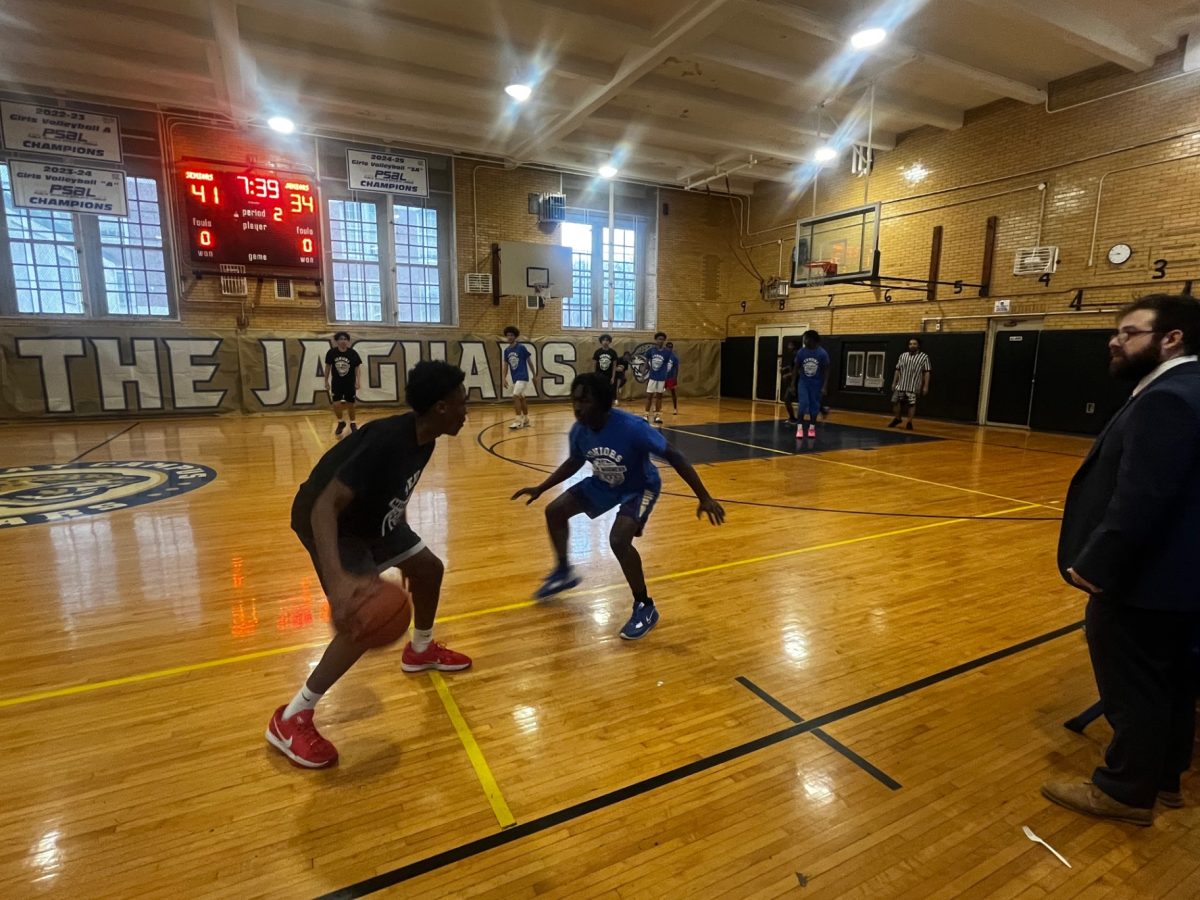


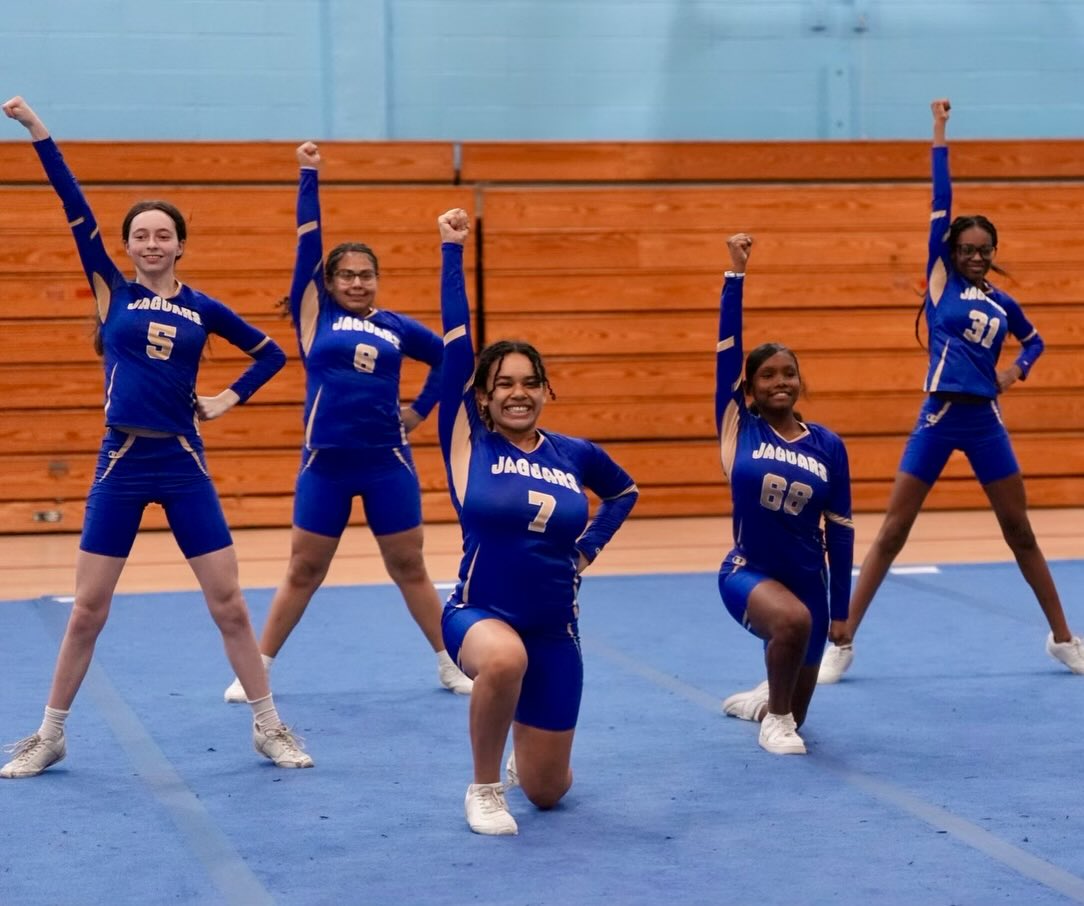










As a kid whose lived in New York City their whole life, i can tell you we don’t get those beautiful homecomings where the whole school is on the football field, or the important school dances no one wants to miss, compared to places like Florida, Texas, and southern states, where school spirit is taken very seriously, and there aren’t multiple schools in one building. New York City schools lack these things. While there are some schools in New York City that have a football field on campus and have the whole building to themselves, the majority do not, robbing many students of what some would say is the quintessential high school experience.
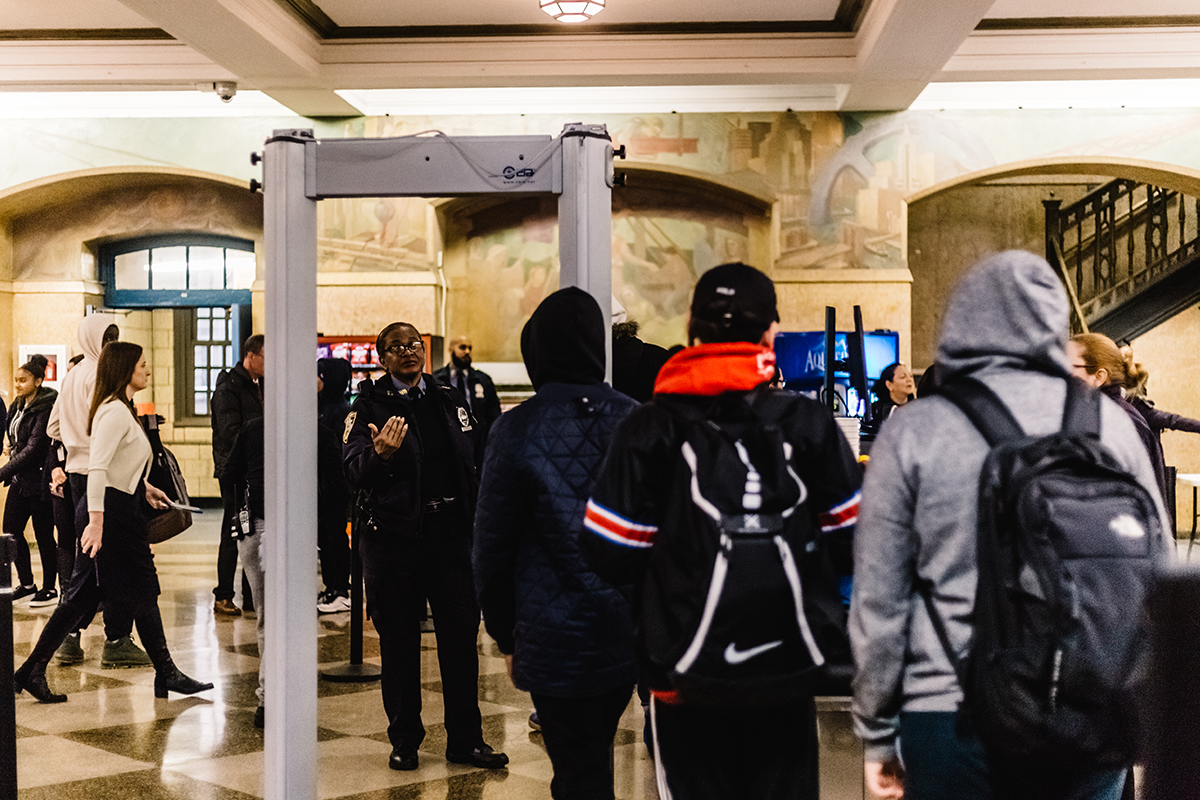
As time goes on, co-located schools are becoming more and more popular in not only high schools but all public and charter schools, especially in cities like New York City, Chicago, and all across California creating new concerns for people who live in these places. Causing them to wonder whether or not this is beneficial to education. According to an NYU study, there are over 1700 schools in NYC and around half of those schools are co-located.
While all the boroughs have seen changes in schools, Brooklyn has definitely seen the most, the number of co-located schools in Brooklyn has increased rapidly.  A study shows that the amount of co-located schools in Brooklyn has increased from 27% in 2005 to 49% in 2013. If the numbers were already at such an increase over a decade ago, you can only imagine how they’ve grown. Since then studies today show a whopping 60% of high schools in NYC are co-located, and that the number is still steadily increasing.
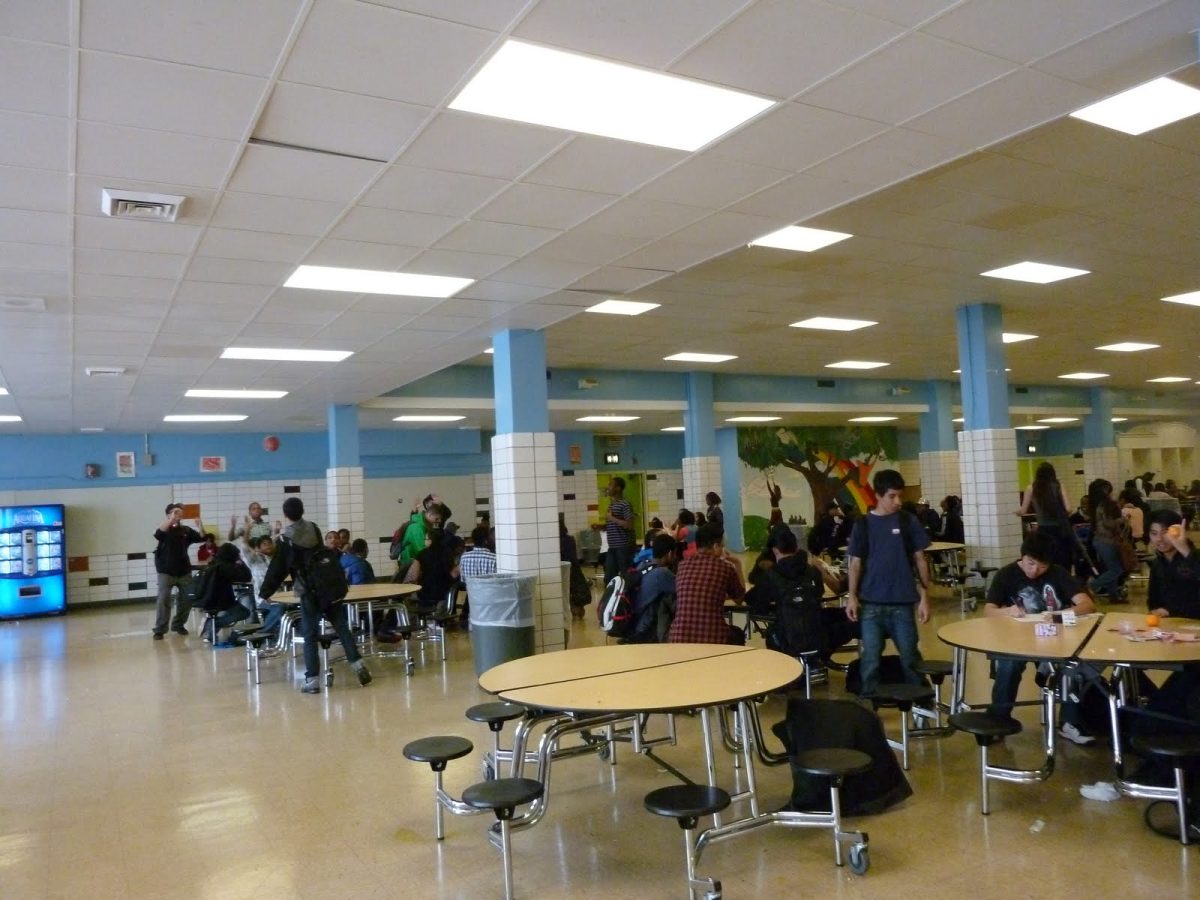
With more and more schools becoming co-located, space can become an issue. Sharing a space with other schools can become a challenge, having to work around one another to use things like the cafeteria, and gyms can be hard.
For buildings like John Jay Educational campus this is also a problem, you would think such an equipped school wouldn’t have issues but truth be told timing is hard to manage. MS 72, a school located in Queens, faces challenges with space, according to a Spectrum News article by Jillian Jorgensen.
“Other M.S. 72 staff noted sharing common space like gyms or cafeterias is already hard with three schools in the building. P.S. 993, the school serving students with disabilities, has been hosting gym classes in an old girls’ locker room.”
This shows the challenges that can be had when these school buildings aren’t equipped with enough space or resources. Although some co-located schools might not have this problem, the ones that do are struggling to make a safe and positive environment for their students.
Despite the challenges some schools face, co-locating schools can have many positive effects as well. They offer opportunities for smaller schools that focus on specialized programs to open and excel in the process. They cut costs for the city. In an expensive city like New York City, co-located schools help to cut those costs. Not having to construct new buildings for education ultimately allows schools to reduce budgets and pour that money back into school programs.
Gavin Schiffres wrote, “Co-location supports the creation of schools tailored to the most at-risk student populations—students who require support beyond the average classroom experience. Whether serving English language learners, teen parents, or students with autism, these specialized schools often lack the enrollment base to support a dedicated facility.” Co-located schools supports needs that schools cant completely focus on, showing their significance. Its important for educators to cater to all types of students, no matter what their going through or what they’ve dealt with in the past.
So now that you’ve read the positive and negative effects of co-located schools, what do you think? Are they hurting or improving the quality of education?


![According to Ms. King, the weirdest thing Irv does that makes him unique, is acting like a cat! For example, when Irv is mad at Ms. King, he will knock things over to get a reaction out of her, just like a cat would. I find it cute, it shows that Irv has a big personality. To add on to his sweet, bratty personality, Ms. King said that if Irv gained the ability to speak, “before he even speaks, he would give [her] a side eye. And then he’d say ‘give me a snack and take me for a walk.’” If you’re interested in seeing more of Irv, follow his instagram!: @irvthedog](https://pscscholar.com/wp-content/uploads/2026/04/KingIrving-980x1200.jpeg)

Mr. Wilson • Jan 8, 2026 at 4:39 pm
Interesting article, Bishop. The point about the benefits of a smaller school that can focus on the needs of a specific type of student is competing to me. And although they are many students who benefit from being in a large school that occupies an entire building, one size does not fit all.
Ms. Ortiz • Jan 7, 2026 at 8:29 am
You make some great points in this article Bishop! One other thing to consider is that in co-located schools there are multiple administrations. Instead of having one principal there are multiple, same for assistant principals and that means more money spent there instead of on students programs.