





















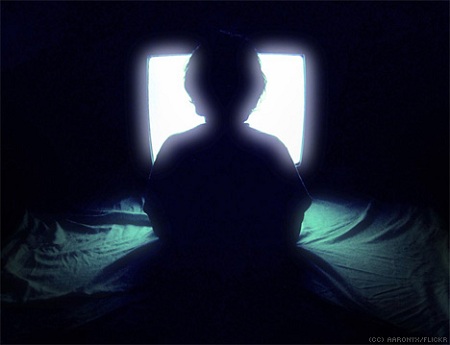
Every day, millions of young kids sit across from a glowing screen watching cartoons. Children’s shows may seem harmless, but they are the difference between emotional intelligence and unhealthy habits; these shows are their window to the outside world. For better or for worse, it shapes how they think, feel, and ultimately grow. By thoughtfully selecting shows, parents and caregivers can introduce a helpful aide for their children.
In the early 2000’s, some of the most popular cartoons for children were shows like SpongeBob SquarePants, Dora the Explorer, Arthur, Curious George, Sesame Street, etc. What do all of these shows have in common? These shows all share themes of teamwork, problem-solving, morality, and relatively stable pacing. When children watch characters apologize, work through their problems, and express their emotions appropriately, they become role models for them.
Children are known for internalizing behaviors, which makes them more likely to exhibit them later in life. The lessons they learn at a young age will subconsciously stick with them. A study done by Dr. Dimitri Christakis revealed these results: children who switched to watching shows like those aforementioned began behaving more respectfully and cooperatively than those watching more aggressive and fast-paced cartoons. It is important to consider the message a show is trying to convey, especially when it is being consumed by extremely impressionable children, and even when themes are appropriate, pacing is important. Today’s children’s shows tend to be extremely overstimulating and high energy, which will keep them entertained but can be detrimental in the long run.
Regardless of the benefits that may come from some of these cartoons, it is important to limit screen time. Excessive screen time has been linked to significant developmental and mental health issues, including sleep disturbances and reduced language skills in children. It also reduces focus and concentration in real-world tasks. When screen time replaces interactive conversation or physical activity, this can become extremely harmful, causing them to miss out on opportunities to practice social skills.
As children grow older, their cognitive skills allow them to become more capable of distinguishing between reality and fiction in televised shows. This allows for a more thoughtful engagement with content. TV can be a vehicle for good and for bad. The key is in the program, help children learn rather than passively absorb content. According to studies, children whose main source of television is fast-paced or overstimulating causes them to exhibit aggression and have trouble controlling impulses.
Ultimately, television is a tool. One can choose to use it correctly and support the growth of children around them, or remain oblivious and hinder it. Balanced screen time, meaningful themes, appropriate pacing, and active participation creates long term benefits. In a world where screens are impossible to avoid, be intentional.
Think to yourself, how did the shows you watched in your youth affect you? What can you remember from your childhood favorites? And next time you’re around a young family member, consider how what they watch can affect their behaviors and development.