






















What if pressing the enter button on Chat GPT was turning on the tap on a faucet? As AI becomes part of everyday life, the mass amount of water consumption is becoming a bigger environmental issue.
While artificial intelligence systems like Chat GPT feel quick and effortless, they rely on large data centers that use huge amounts of water to stay cool. Researchers estimate that a single AI search can use anywhere from about 0.26 milliliters to 500 milliliters of water, which is about half a liter. On its own, the amount doesn’t seem big. But, an estimated amount of 1.4 billion AI searches are made everyday. That means about 364 million milliliters of water are getting used everyday to cool down these systems.
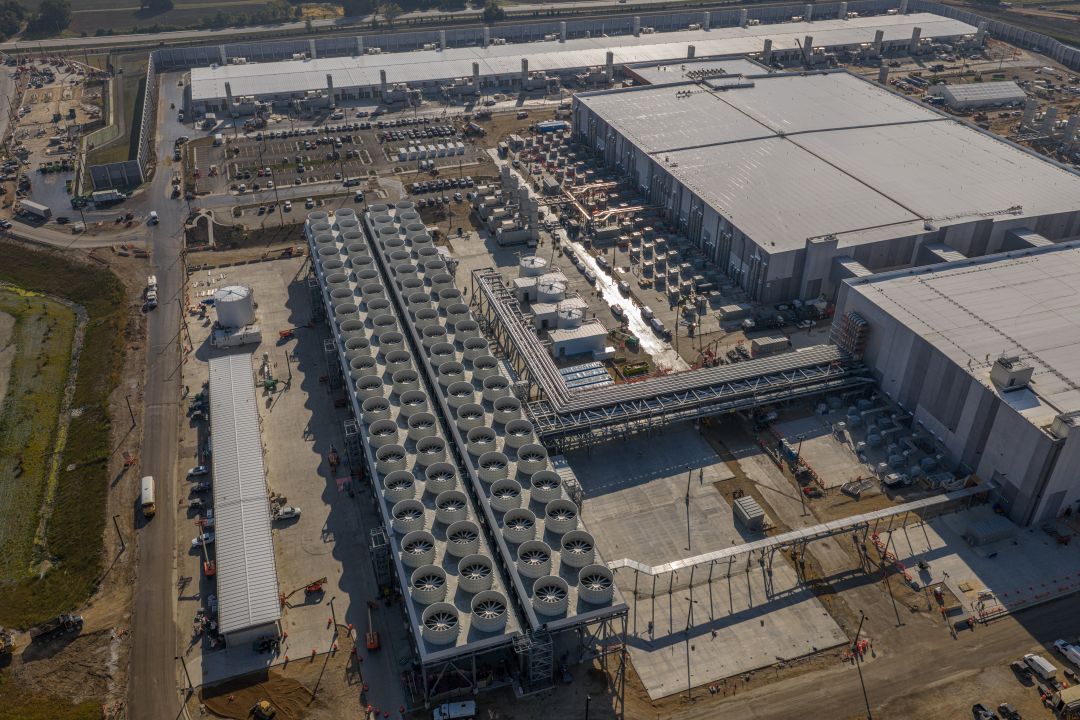
The data centers that are used for AI systems like Chat GPT, Google Assistance, Grammarly, Amazon Alexa, and Grok are constantly being used. These centers are filled with powerful computers that run nonstop, creating a lot of heat. To prevent them from overheating, most companies use large water-based cooling systems, which either spray or evaporate water to keep the high temperatures down. Some data centers pull local water supplies that nearby communities rely on for drinking, farming and daily use. The problem gets worse because the data centers are built in places where water is already scarce. While areas like the western United States are dealing with long droughts, data centers located there are consuming large amounts of their water. Environmental experts say that as AI grows faster, water shortages will become more severe in these regions.
What makes this issue even more concerning is how invisible it is to users. Sending simple prompts and questions to Chat GPT doesn’t feel like it’s using much resources, unlike taking a long shower or leaving the tap running. When billions of people are using it for small, little tasks, it stacks up quickly. The efficiency of AI makes it harder for people to understand the environmental cost of everyday technology.
Some companies like Amazon and Microsoft have promised to reduce their environmental impact by using recycled water, improving cooling systems, or giving back more water than they use. While these steps are in the right direction, it isn’t enough on its own. Most companies don’t fully report the amount of water they use, making it hard to track the real amount of water they use.
“The environmental cost of this is pretty huge in absolute terms. At the moment society is paying for these costs, not the tech companies. The question is: is that fair? If they are reaping the benefits of this technology, why should they not be paying some of the costs?” according to Alex de Vries-Gao, founder of Digiconomist. This quote talks about fairness and responsibility. Should companies who promised to reduce their environmental footprint be required to use recycled water or cut their water use? As de Vries-Gao points out, the convenience of AI comes at a real cost of water.
As AI starts to become a part of schoolwork, entertainment, and daily life, its environmental impact is expected to grow rapidly. Understanding how much water these artificial intelligent systems use is the first, important step in addressing bigger issues of environmental responsibility.