















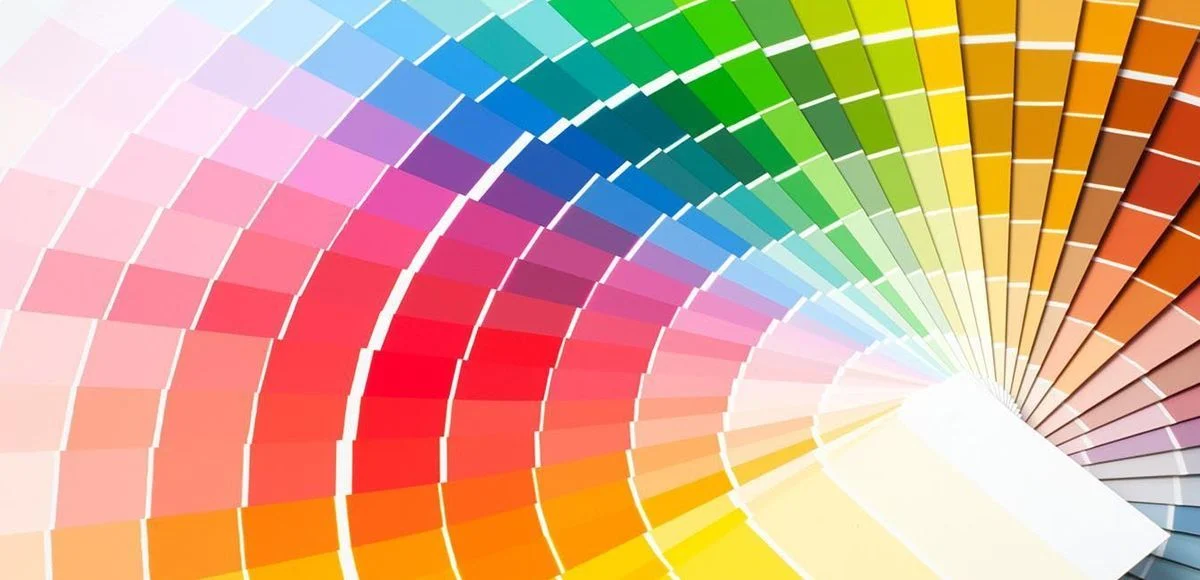
Color analysis seasons are part of a system made by Carole Jackson in the 1980s through her book Colour Me Beautiful. It is a system that categorizes people into four different seasons. They are categorized based on natural undertones of their skin, eyes, and sometimes hair. The idea of this system is that certain colors complement your natural features, making you look brighter, while others can make you look more colorless and dull.
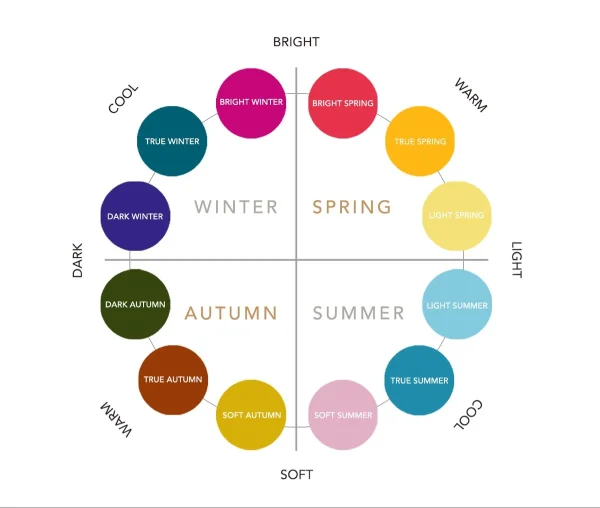
In the Color Analysis world, there are four broad categories, which are referred to as seasons.
- Spring represents warm undertones. Colors are clear and warm, like coral, aqua, and bright yellow.
- Summer represents cool undertones. Colors are soft and cool, like lavender, pastel blues, and soft grays.
- Autumn represents warm, rich undertones. Colors are warm and earthy, such as rust, mustard yellow, olive green, and chocolate brown.
- Winter represents high contrast undertones. Colors are vivid and cool, such as true white, black, deep red, and emerald green.
Anisa’s Experience
“Using a filter to figure out my color season was very revealing. I was able to see my complexion become brighter and more luminous when I applied the colors that were associated with spring. In contrast, when I applied deeper, more muted shades of autumn or winter I seemed more dull and washed out. Before finding out my season, I wore more dark, and muted colors that made me look pale. Tapping through the filters helped me see the difference clearly. By finding out I was a spring has made shopping for clothes more intentional and exciting. Not only has it made dressing easier, but it also has made me feel more confident.”
Asmaa’s Experience
“After analyzing all the seasons, I discovered I was a dark winter. As we went through the colors, though it took some thought to differentiate between two seasons, in the end it became very clear. These darker colors I feel are more compatible with my palette. However, I do not think this was very surprising because prior to finding out my season I was used to wearing these kinds of colors. In the future I intend to focus more on dark winter colors but I do not mind some pops of color. In general it has been a very enlightening topic for me and has made decisions surrounding wardrobe very easy and has made me feel more secure in my choices.”
Ms. Vora’s Experience
“Ms. King was the one who started my analysis and I’m grateful for the lack of warning because I went into the experience with no expectations. Prior to my analysis I would wear mostly black clothing. Now in my day to day, I do find myself wearing black regularly, but I started incorporating colors in a regular manner. The colors I lean towards are oranges and corals. I think because of my birthday being in April (Anisa is my Birthday and Season Twin!) it makes sense that I am a True Spring. In general I am so, so thankful Ms. King introduced me to and taught me about this.”
Ms. King’s Experience
“A friend of mine was who inspired me to find my season. I was told I was a spring but after, I felt validated in knowing I was a true autumn, which I felt fit me more. I’ve always tended to reach for more saturated, darker colors. I steered clear of pastels and would occasionally try out bright or neon colors. I don’t think I significantly changed the way I was dressing because I subconsciously was leaning towards the autumn color palette. I know what colors work for me (dark green and cream) and I find I do wear that a lot. However, I don’t let it restrict me and wear colors like black and jewel tones, which, according to my season don’t fit me. I think my color palette aligns with my personality although I feel that I’m a bit more bright and bubbly than that. I think it’s fun to think about my color palette as it is a nice guiding principle and very fun to introduce to others.”
Although it has been a popular topic in the media there are multiple criticisms. Some of the criticisms include issues about oversimplifying complex human coloring. This leads to issues over inclusivity and to which colorings do these seasons and broad categories fit into.
To conclude, Color Analysis is a lighthearted way to understand what colors may or may not work for you.


![According to Ms. King, the weirdest thing Irv does that makes him unique, is acting like a cat! For example, when Irv is mad at Ms. King, he will knock things over to get a reaction out of her, just like a cat would. I find it cute, it shows that Irv has a big personality. To add on to his sweet, bratty personality, Ms. King said that if Irv gained the ability to speak, “before he even speaks, he would give [her] a side eye. And then he’d say ‘give me a snack and take me for a walk.’” If you’re interested in seeing more of Irv, follow his instagram!: @irvthedog](https://pscscholar.com/wp-content/uploads/2026/04/KingIrving-980x1200.jpeg)